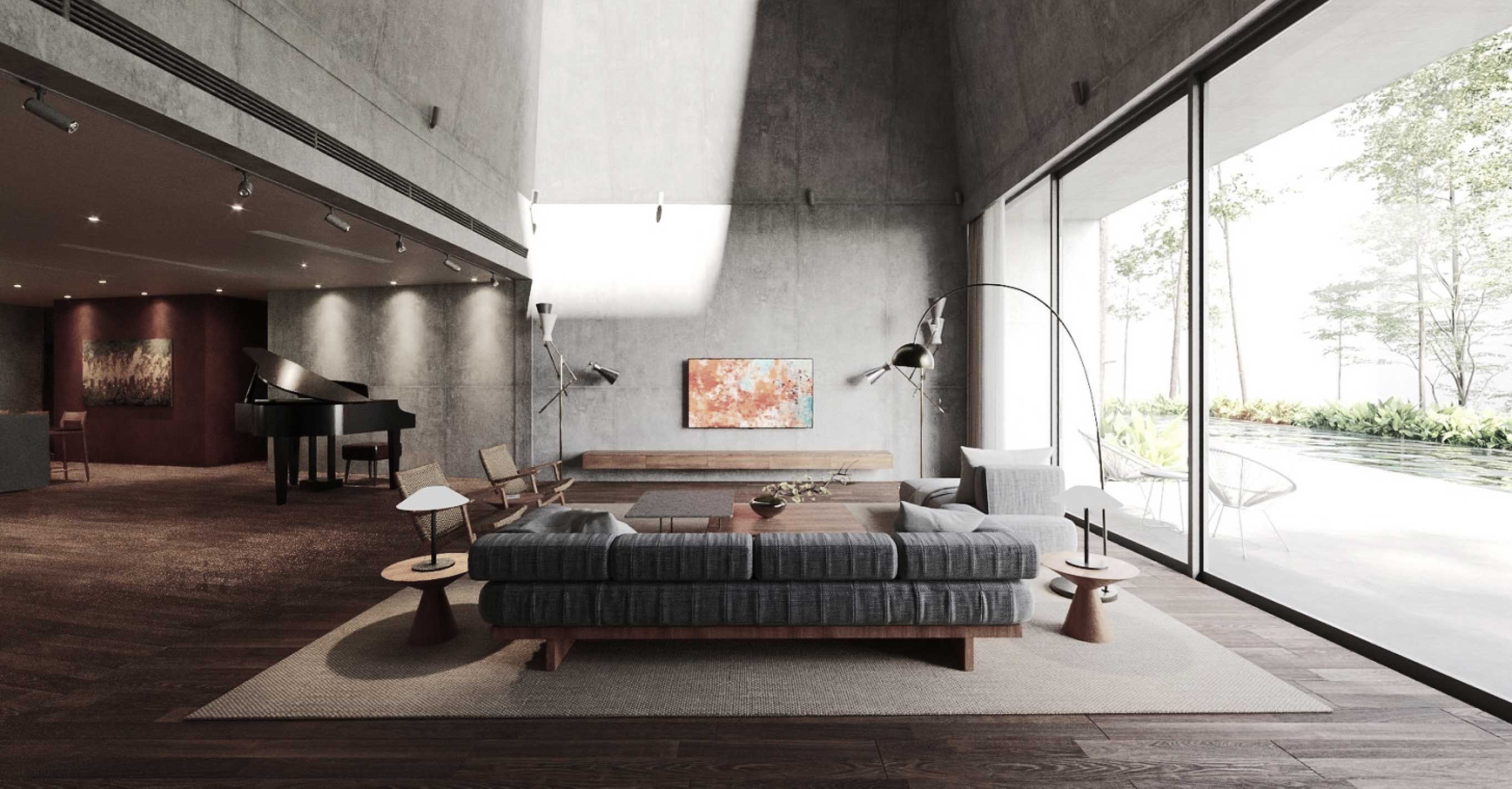
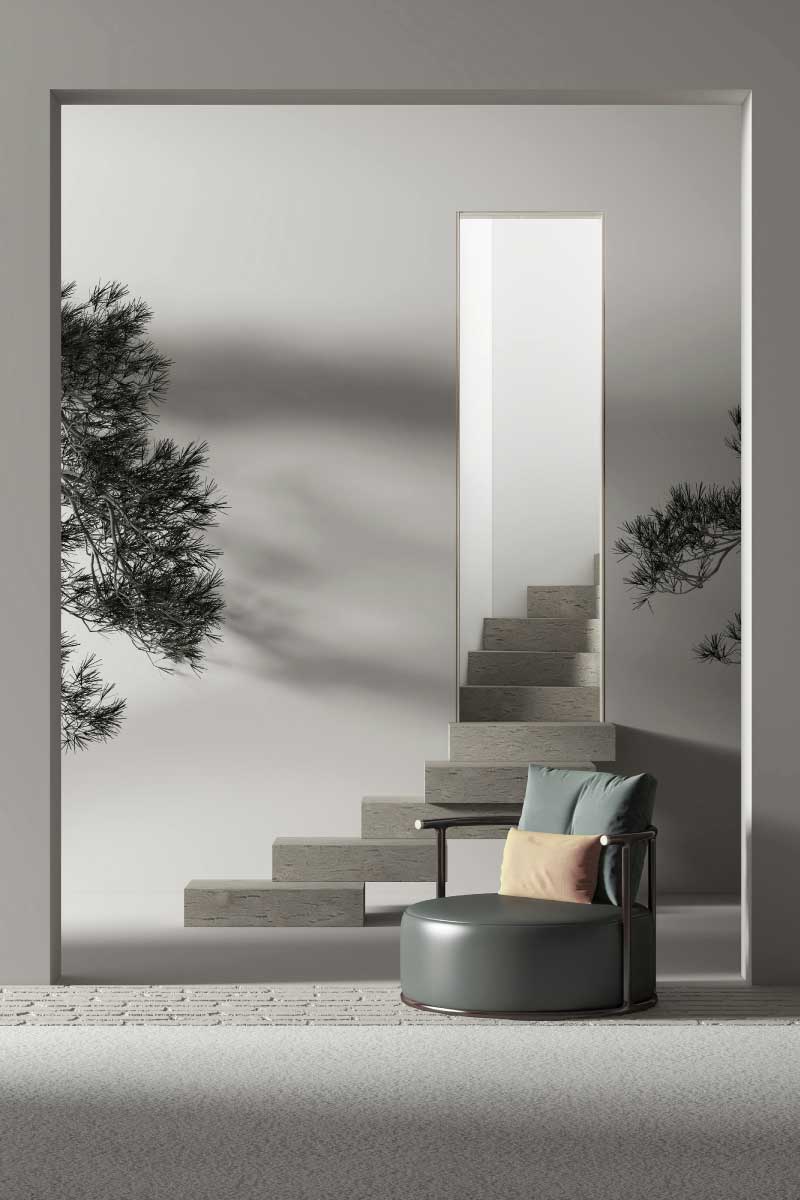
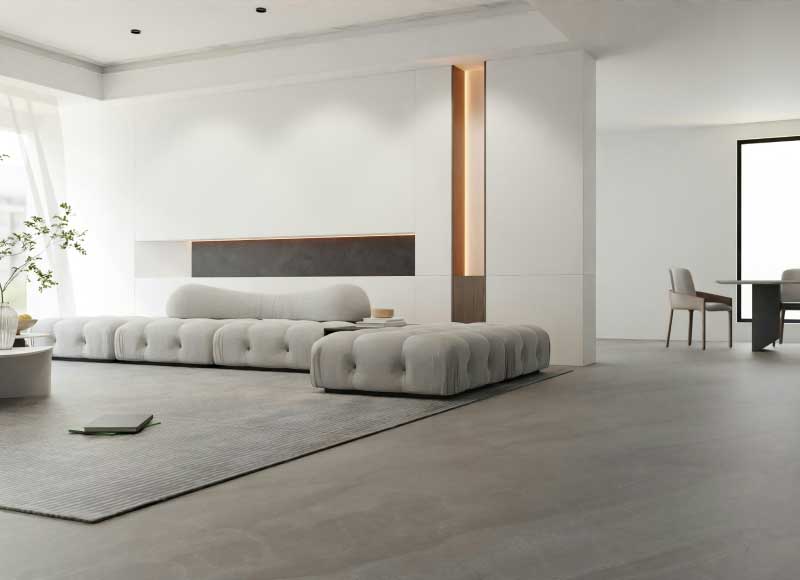
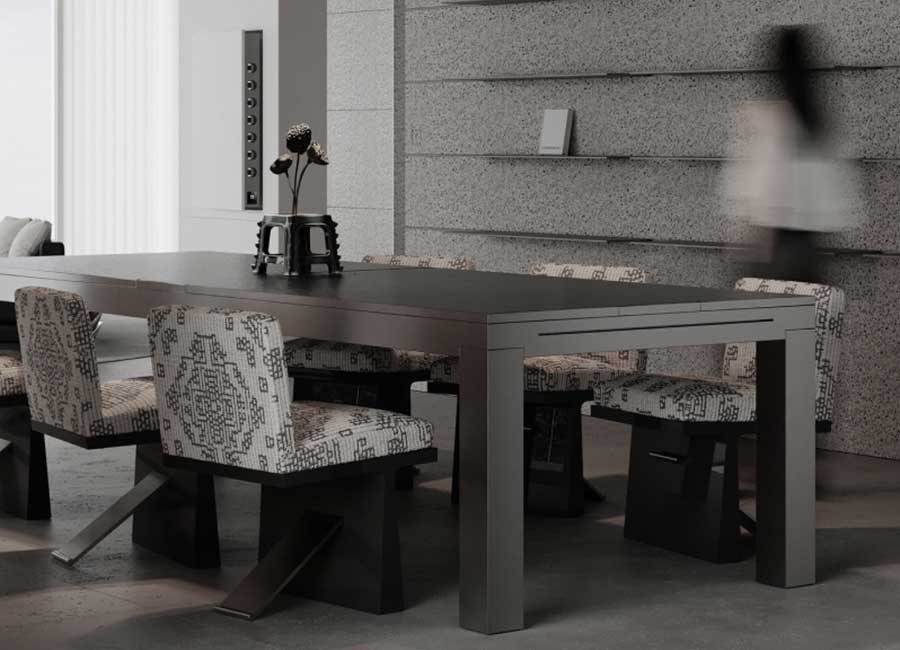
When we think of architecture, most people picture forms, lines, materials, and striking façades. But for me – and for many architects who share this philosophy – architecture is not just about form-making. It’s the subtle movement between function and feeling. It’s where purpose directs aesthetics. It’s about designing “with intention” – to create spaces that truly inspire.
Purpose in Architecture: More Than Just a Floor Plan
A successful design doesn’t start with where to place the walls or what tiles to use. It begins with the question: “Who is this space for? What should it enable or awaken in them?”
In every project I’ve worked on – from compact apartments to open public spaces – purpose is always the foundation. We don’t just draw layouts; we analyze circulation flow, user behavior, prevailing winds, and natural lighting – all essential elements of programmatic design that inform how a space truly lives and breathes.
Sustainability as Intention, Not Trend
Sustainable design is no longer a trend – it’s a core mindset in purpose-driven architecture. From using recycled materials, integrating solar energy systems, to applying passive ventilation strategies – every decision is a long-term investment in both the environment and human well-being.
In practice, this intention takes many forms:
- Using recycled and locally sourced materials, which not only reduce carbon footprint but also bring authenticity and texture to the space.
- Implementing passive design strategies such as cross ventilation, thermal mass, and natural shading to minimize reliance on mechanical systems.
- Harvesting renewable energy through solar panels, daylighting design, and smart energy management systems.
- Designing with longevity in mind, using durable materials, flexible layouts, and easily maintainable details that age gracefully.
- Incorporating green spaces, green roofs, and water-sensitive landscaping to enhance microclimate and promote biodiversity.
In recent projects, I’ve explored how architecture can become a natural partner to its environment – not resisting it, but adapting to it. This approach doesn’t just reduce operational costs or improve thermal comfort; it also creates a quiet kind of beauty – the kind that comes from being in balance with the world around us.
“Every designed space tells a story. But only purposeful design makes that story worth listening to.”
Rotch Chelter - Chief Architect of AIC Group
We often talk about human scale – the ratio of space to the body. A room doesn’t have to be huge, but it does need to have the right amount of ventilation, the right ceiling height, the right orientation, the right placement of objects so that the body and mind feel… right.
Closing Thoughts
Architecture – whether a modest home or a cultural center – can inspire, as long as it is born from understanding and guided by clear intention.
So if you're imagining a new space, begin with a simple question:
“How do I want to feel every time I walk into this place?”
Then let the architecture slowly tell the rest of the story.


.png)